

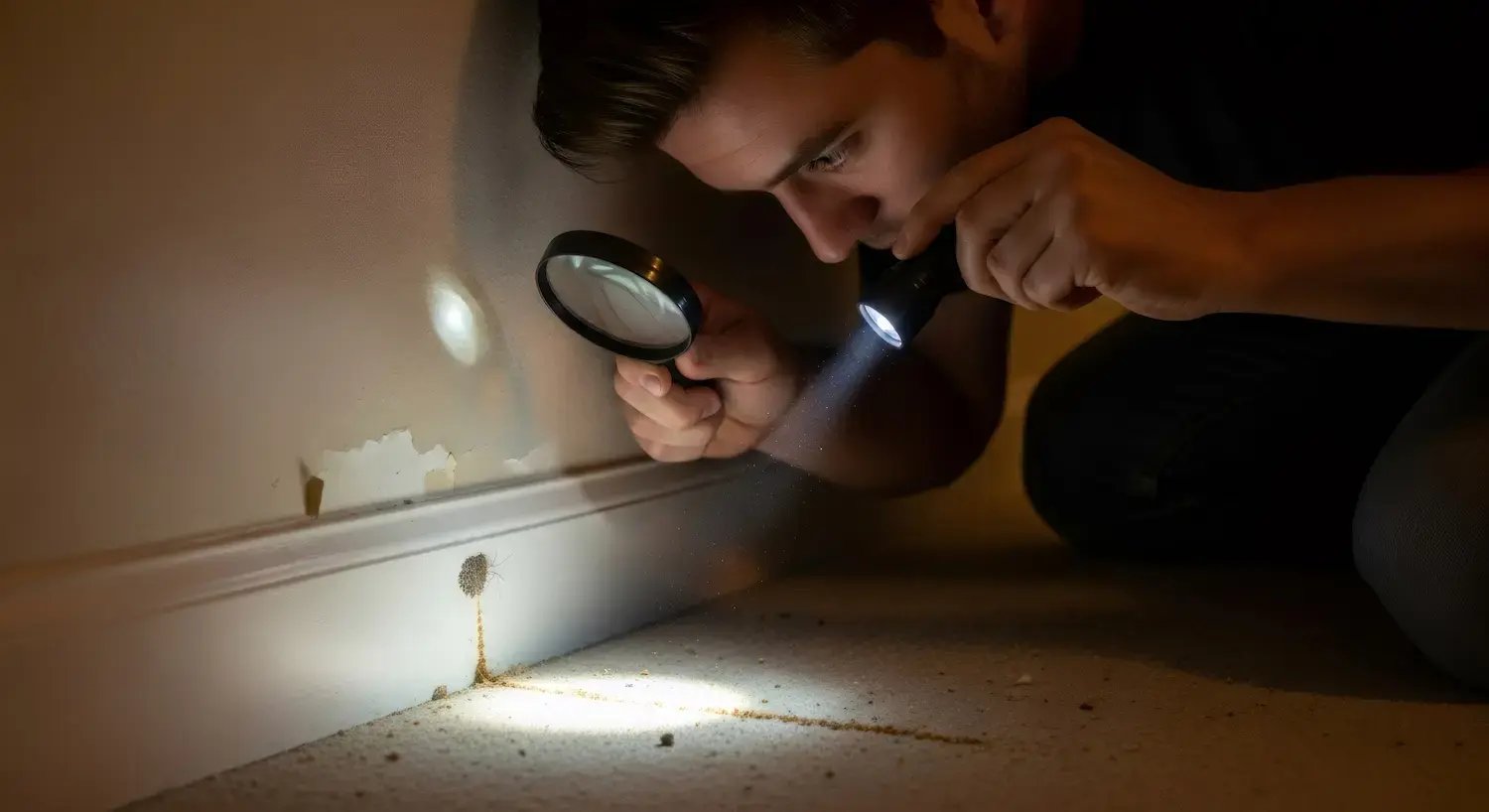
If you’ve ever been startled by a bump in the night or a faint scratching sound from the attic, you’re not alone. Strange household noises in New Jersey and Pennsylvania homes have a way of sparking curiosity and sometimes a bit of worry. You might wonder if it’s just your home settling or if something else is moving around.
While it’s tempting to dismiss these sounds, they can sometimes point to pests or wildlife nesting where they shouldn’t be. Mice, squirrels, raccoons, or even birds can all make themselves heard in quiet moments.
This guide from Cooper Pest Solutions will help you identify the source of those unexplained noises. By paying attention to where and when you hear them, you can often determine what kind of animal or pest has moved in and take the right steps to handle it.
What Kind of Noise Are You Hearing?
To make sense of those mysterious household noises, it helps to start with the basics. Think about both the kind of noise you heard and where it came from, as these clues can tell you a lot about what’s going on. Let’s take a closer look at what different noises might mean and where they usually come from.
Noises You Might Hear Coming from Your Walls
Many pests and animals make their homes inside walls, whether it’s ants, mice, or even raccoons. Larger wildlife can become trapped or cause a commotion while navigating the tight space. Let’s explore the types of noises commonly heard within walls:
-
Gnawing or Grinding in Walls
Rodents need to keep their teeth trimmed, so they chew on anything hard, including wood, plastic, and even wiring. These gnawing sounds are usually consistent and often occur at night or early morning. Possible culprits include:
-
Scratches in Walls
Scratching sounds can be unsettling, but paying attention to their location and movement gives clues. Are they persistent in one spot, or do they travel along walls and ceilings? Here are the animals or pests that might be responsible:
-
-
- Rats: Often active after dark, they produce constant gnawing or scurrying sounds.
- Mice: Small, quick noises at night often indicate their presence.
- Squirrels: Daytime runners in the attic or walls, creating frenzied scratching sounds.
- Raccoons: Heavy, deliberate thumps and scratches at night as they move.
- Carpenter Ants: Soft rustling or ticking coming from inside wood beams or structures.
-
-
A Buzzing or Humming in the Walls
A persistent buzzing is usually a sign that stinging insects have taken up residence nearby. The vibration of many wings in a hive or nest creates the sound. Activity tends to increase, and the noise grows louder on warm, sunny days. Potential pests responsible include:
-
Ticking or Clicking Inside Walls
If you hear soft, repetitive ticking or clicking from inside your walls, it may be a sign of insects damaging the wood. The insects responsible could be:
-
-
- Termites: Tiny, consistent clicking or tapping from inside walls may signal termites chewing through wood.
- Carpenter Ants: Soft, intermittent ticking or rustling within wooden structures can indicate carpenter ants at work.
-
-
Heavy Dragging Sounds in the Walls
Hearing a slow, dragging, or shuffling noise from above or below often points to a sizable animal navigating your home. Their movements are steady and weighty compared to nimble squirrels. Likely pests include:
-
-
- Opossums: Opossums create slow, deliberate thumps and occasional scratching noises as they move through walls or attics.
- Raccoons: Raccoons produce loud, heavy thumping and scratching sounds when navigating or foraging in walls and ceilings.
-
-
Bumps on the Roof
Thumping noises above, whether sudden or more subdued, often signal animal movement. Animals frequently explore roofs while searching for food or shelter. Here are some animals and other possibilities that might be responsible:
-
-
- Raccoons: Heavy, deliberate footsteps or thumping sounds, usually at night. Their weight makes rooftop noises particularly noticeable.
- Tree Branches: Branches scraping or bumping against the roof can mimic animal noises, especially when it’s windy. This is a common non-pest cause of rooftop sounds.
- Squirrels: Rapid scampering and the occasional sound of nuts dropping or rolling, mostly heard during the day. These sounds are quick and light compared to larger animals.
- Cats: Light, quick footsteps often heard at night or during dawn and dusk. You might also hear meows or purring if they are near entry points.
-
-
Thuds in Your Attic or Crashes in the Garage
Larger wildlife frequently choose attics and garages for shelter or to find food. Sounds in these spaces carry more clearly due to limited insulation and spacious layouts. Animals may knock over belongings or brush against walls as they move. The following wildlife could be causing these noises:
-
-
- Raccoons: Active at night, raccoons are often the ones knocking over tools, bins, or boxes. Their large size and curious nature can lead to noticeable disturbances.
- Rats: These nimble creatures scurry and climb, sometimes knocking smaller items off shelves and creating loud clattering sounds during nighttime activity.
- Opossums: Their awkward, clumsy movements make it easy for them to bump into or topple stored items while searching for food at night.
- Birds: When trapped, birds can thrash and crash around, colliding with objects as they try to fly or jump to freedom, causing chaotic noises.
-
-
Rustling in Vents or Chimneys
Rustling, flapping, or panicked fluttering often signals that a bird or bat is stuck somewhere inside. Open chimneys or vents can trap them, causing these sporadic sounds. Possible wildlife making these noises are:
-
-
- Birds: A trapped bird often creates frantic flapping and crashing sounds as it tries to escape, striking walls, vents, or chimneys.
- Bats: Bats can produce rapid fluttering or squeaking noises while struggling to find a way out of an enclosed space like an attic or vent.
-
Strange Sounds in Your Home? Contact Cooper Pest Solutions
Whether it’s a soft scratching or a booming thump from your walls, we can determine exactly what’s causing it and offer the proper solution. These disturbances are common in New Jersey and Pennsylvania, especially during seasonal changes when wildlife is more active. We also provide expert wildlife exclusion services designed to stop these issues from happening again.
Don’t wait! Call Cooper Pest Solutions and reclaim the calm in your home.