

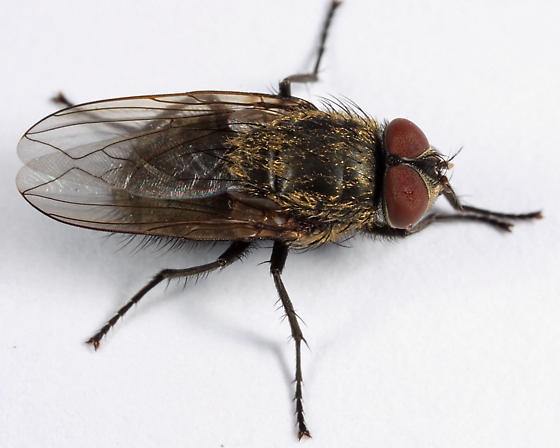
Cluster flies seek out warmth once the weather begins to cool down, almost always entering along the roof line of the building, regardless of how many stories tall it is. In commercial buildings, they typically enter through gaps associated with the rooftop flashing. So the best way to prevent them is to have a barrier treatment around the building applied by professional fly exterminators.
They are not attracted to “filth” such as trash, decaying organic matter like house flies, or produce (fruit) as a fruit fly would be. Cluster flies are only temporary visitors of buildings, using the structure solely for the purpose of seeking the warmth and protection from the cold winter temperatures. Once inside, they will not breed nor will they cause damage or bite, since they are not equipped with biting mouth parts. Then when spring arrives, these temporary visitors will leave the building to once again resume their life cycle.
How Do Cluster Flies Get Inside?
These flies “cluster” and enter buildings in very large numbers, which makes them appear to show up all at once. Most of our commercial clients don’t even realize that they have a cluster fly infestation until they receive complaints from their tenants or employees that cluster flies are suddenly appearing or that they see thousands of dead flies everywhere.
They seek areas that are protected and warm so they can survive the harsh winter that their small bodies aren’t built to weather. Heat rises, and cold air sinks within businesses, making an enclosed attic, false ceilings, or spaces above the first floor the perfect places to flock to. You are most likely to find cluster flies on the south or southeast side of your building, where the sun is strongest and provides the most heat.
What Do Cluster Flies Look Like?
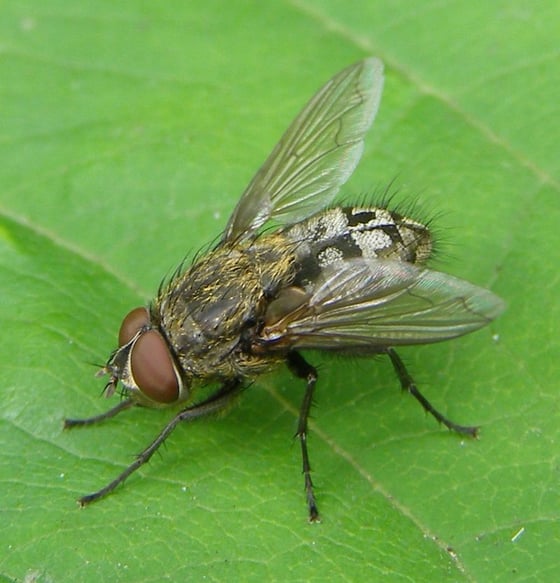
Cluster flies are very similar in appearance to house flies. They are about ⅓” long, are gray, and covered with visible yellow, bristle-like hairs. Unlike common house flies, cluster flies have wings that overlap when at rest.
Cluster Fly Life Cycle
Cluster flies have an interesting and bizarre life cycle. They begin their lives beneath the Earth in the soil, feeding on earthworms that live below as a parasite. Because they only lay eggs within the soil as opposed to within human food, cluster flies pose no harm to humans other than being a nuisance. Once they mature, cluster flies emerge from the ground and live outdoors until early fall.
How Can I Get Rid of Cluster Flies in My Building?
The best way to deal with cluster flies is to prevent them from getting into the building in the first place. Once they get inside, trying to control them is very difficult. Cluster flies can be prevented by making an application of a residual insecticide along the eaves or flashing of the roof and around window frames on the uppermost floor of the building.
Sealing cluster flies out of a building by sealing visible cracks and crevices may reduce the numbers, but it is rarely very effective, given the difficulty associated with sealing them out. You can take care of the previously mentioned issues yourself, but it may be challenging without the help of a professional who specializes in what is called “exclusion work.” Paying attention to larger, more visible issues, such as tears in window screens or gaps around external doors, can be an easy way to take steps towards cluster fly and general pest prevention.
Professional Treatment
The timing of the treatment is critical! In New Jersey, the treatments must be made between the last week of August and the first week of September. Treatments made after the first week of September are likely to fail as the cluster flies have probably already made their way into the building.
In areas where cluster fly activity occurs on an annual basis, it’s highly recommended to hire a professional pest control company to proactively treat your building before the cluster flies begin to overwinter. Cooper Pest Solutions is very experienced and highly recommended in cluster fly treatments for office buildings as well as several other commercial facilities.
Overwintering
Cluster flies “overwinter” each year. Overwintering refers to the natural inclination of an insect to find a secluded, warm space to live in when it’s cold outside, emerging in the Spring to live outside.
Other pests that behave this way are stink bugs, ladybugs, and boxelder bugs. Some move into wall voids or, as in the case of cluster flies, attics, and warm spaces, making them nearly impossible to eradicate on your own.
How Can Cooper Pest Solutions Eliminate Cluster Flies Inside My Business?
Cooper Pest Solutions’ Fly Treatment
Preventative treatments are always the most effective to keep out the cluster flies. Our commercial treatment includes the exterior of the building, weep holes, windows, and doors, to deter cluster flies from being attracted inside. This service needs to take place in early fall before the weather becomes consistently cold.
Cooper Pest Solutions’ preventative cluster fly treatments are handled differently in a commercial facility setting versus a residential home. When preparing for a cluster fly treatment at a business, such as an office building or warehouse, different elements are considered to tailor a non-residential plan. The elements of commercial buildings are typically different than a residential home. The unique layout and features of your facility will guide a highly customized plan, not a one-size-fits-all approach.
However, if you currently have a cluster fly problem in your building, we can still take care of it. Cooper Pest Solutions will send one of our highly trained technicians to your facility to install light traps and apply interior treatments. This can eliminate the cluster fly population.
Get Started With a Free Consultation
Cooper Pest Solutions provides free, on-site consultations to property managers and building owners who are interested in professional cluster fly prevention. You will meet with a dedicated Commercial Sales Manager who will be your single point of contact for simple and personal customer service.
Contact us today for more information.