

Every spring, the arrival of termites means it’s time to watch out for signs of infestation in your own home. While termites play a vital role in outdoor ecosystems – they accelerate the decomposition of cellulose-containing organic matter – you definitely don’t want them inside, where they can cause significant damage. So, let’s talk about how to protect your home from termites.
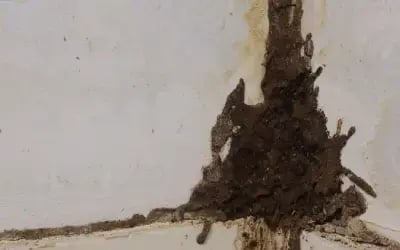 Essentially, protecting your home from termites breaks down into two main categories:
- Termite Prevention: By preventing termite infestations, you also prevent major structural damage and future headaches. This section will discuss how to protect your home from termites before they arrive.
- Termite Removal: If you can’t prevent an infestation, the next best thing is to catch it early and take care of it before it becomes a big problem. This section deals with how to protect your home from termites once you’re dealing with an infestation.
What’s the Best Preventive for Termites?
One of the common misconceptions about termites is that you can't prevent them. You can, but it takes a comprehensive approach.
While there's no magic bullet that’s 100% effective at stopping all termites, DIY termite prevention revolves around removing the conditions that attract them inside and closely monitoring the situation. This way, your infestation risk is decreased, and if you do spot swarming termites, you’re ready to act quickly.
Tips for DIY Termite Prevention
- Fix all water leaks immediately (pipes, faucets, and AC units).
- Keep firewood 20+ feet away from the house and elevated off the ground.
- Maintain a 6-inch gap between the soil and any wood siding or decking.
- Extend downspouts to divert rainwater at least 3 feet away from your foundation.
- Keep mulch back at least 15 inches from the foundation; use gravel against the house instead.
- Seal cracks and crevices in the foundation and around utility lines with caulk.
- Remove tree stumps and rotting debris from your yard.
- Install screens on outside vents to block entry.
- Ventilate crawl spaces to reduce moisture and humidity.
- Self-inspect the interior and exterior of your home regularly. If you notice anything unusual and are worried you might have termites, don’t hesitate to call a professional.
Why Proactive Monitoring Is So Important
Since termites can cause extensive damage, proactive monitoring is crucial. By monitoring, you’ll be able to prevent or solve a termite infestation when it’s still relatively easy. Once an infestation has had a chance to take hold, it becomes much more difficult.
While proactive monitoring on your own is valuable, professional termite monitoring is more comprehensive and recommended for high-risk properties. Cooper Pest Solutions offers two proactive termite monitoring options: the TermAware™ program and the Sentricon Always Active monitoring service.
- TermAware™ Termite Monitoring Program: With TermAware™ monitors installed, our skilled technicians will perform detailed inspections with detailed written reports in the spring, summer, and fall, and an interior inspection in the winter. If termite activity is determined, we’ll respond immediately. With a proactive TermAware™ service, you will receive coverage for any future termite problems once Cooper has ascertained that there are no pre-existing conditions. TermAware™ is a termite monitoring system that’s exclusive to [company].
- Sentricon® Termite Monitoring System: Sentricon is well known for its baiting stations, but did you know it can also be used as a monitoring solution? Sentricon® monitors are installed throughout the property, and service includes two inspections a year for a minimum of two years.
How to Remove Termites
If prevention has failed and you discover termites in your house, it’s important to do something about it as quickly as possible. The earlier you act, the easier it will be to solve your infestation.
- Do Not Disturb: Resist the urge to break open mud tubes or spray over-the-counter bug spray. This can scare termites into moving to a new, harder-to-find area, making the professional's job more difficult.
- Collect a Physical Sample: If you find dead swarmers (flying termites) or shed wings, place them in a small jar or Ziploc bag (rubbing alcohol helps preserve them). This allows the pro to identify the specific species immediately.
- Photograph the Evidence: Take clear, well-lit photos of any mud tubes, bubbling paint, or piles of "frass" (termite droppings that look like sawdust). Use a coin or pen in the photo for scale.
- Mark the Locations: Place a piece of blue painter's tape or a sticky note on the wall near where you saw activity. It is easy to lose track of small holes or soft spots once the inspector arrives.
- Call a Professional: Termite infestations inside homes are challenging for a number of reasons. The best way to ensure your termite control is successful is by leaving it to a professional termite exterminator.
What Are the Best Termite Control Techniques to Protect Your Home?
Termite Baiting
If you currently have termite activity, you have a few different service options for addressing the infestation. Baiting stations are a great option for properties that cannot, or do not want to use the traditional liquid termite treatments due to various restrictions.
Baiting stations are an excellent long-term solution for eliminating the entire colony. The only drawback is that it may not offer the immediate results that some are looking for. This is by design. In order for termite baiting stations to work, something called “colony transfer” must take effect. This basically means that termites have brought the bait back to the colony and it becomes one of its main food sources. Once that happens, it will lead to total colony collapse.
Many homeowners opt to combine baiting stations with liquid treatments for fast and long-term results.
Liquid Termiticide
Our skilled technicians distribute targeted termiticide treatments in the ground around the perimeter of the home and adjacent to the foundation.
At the onset of the liquid treatment, we’ll also install TermAware™ monitors for continuous monitoring during the first year. This program will help detect any future infestations at the perimeter of the property before the termites can enter the home.
Continuous Monitoring
If you’re looking for a long-term termite control solution, nothing beats continuous monitoring. And while monitoring the situation yourself is an important first step, professional termite monitoring is one of your most effective lines of defense.
Cooper’s technicians base their treatment on advanced research from Dr. Nan-Yao Su at the University of Florida, who recommends that monitors be placed at ten-foot intervals. This contrasts with other termite control companies that only place monitors at the corners of properties, making them less effective. Dr. Nan-Yao Su’s research was the basis for the Sentricon® Monitoring System and Cooper’s TermAware™ System.
With our TermAware™ program installed on your property, you can receive a TermAware™ Certificate of Protection that’s valid six months after initial treatment. The protection serves as insurance against termite damage that may occur from a new termite infestation and will cover necessary home repairs.
How to Permanently Get Rid of Termites in Your House
At [company], we will work tirelessly to solve your termite problem – now and for the long term. If you live in NJ or PA, the termite control professionals at [company] can help you.
Be sure to give us a call and we will provide you with a complimentary estimate and long-lasting peace of mind. Bugs are smart, but we’re smarter!