

Key Takeaways
- Professional heat treatments can kill bed bugs and their eggs when proper temperatures are reached and maintained.
- Heat can provide relatively fast results and reach bed bugs in many hiding places.
- Heat treatment has limitations, including cooler areas and a lack of residual protection.
- No-Prep treatment combines inspection, steaming, encasements, monitoring, and targeted product applications.
- Professional treatment and follow-up can help address existing infestations and detect remaining or reintroduced bed bugs.
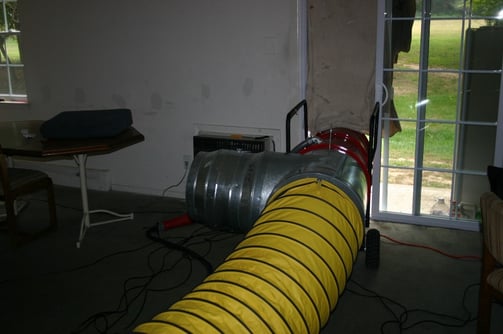
If you’ve discovered bed bugs in your New Jersey or Pennsylvania home, you may be wondering whether heat treatment can eliminate the infestation. Professional bed bug heat treatments can kill bed bugs when the necessary temperatures are reached and maintained throughout the infested area. However, heat is not a cure-all, and the effectiveness of any bed bug treatment depends on proper preparation, application, monitoring, and follow-up.
Bed bug heat treatments use specialized equipment to raise temperatures throughout a room or structure to levels that are lethal to bed bugs. Technicians use fans to circulate heated air and monitor temperatures in different areas to help prevent cooler spots where bed bugs could survive.
While heat can provide relatively fast results, there are important limitations to consider. At Cooper Pest Solutions, we use a comprehensive No-Prep bed bug treatment approach that combines mechanical, chemical, and monitoring techniques rather than relying on heat alone.
How Does Bed Bug Heat Treatment Work?
During a professional heat treatment, specialized equipment raises temperatures throughout an infested area to approximately 117–122°F and maintains them long enough to help eliminate bed bugs and their eggs. Heating units and fans are strategically positioned throughout the treatment area, while the equipment supplying the heat is typically located outside the structure. Fans help circulate the heated air and promote more consistent temperatures.
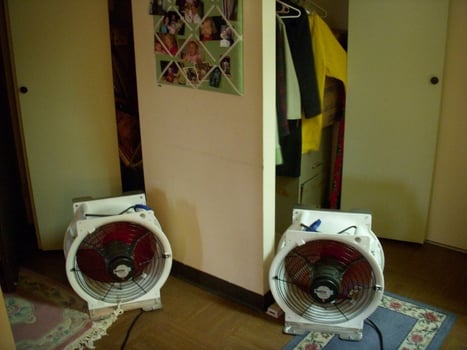
Fans distribute the heat throughout the space
Reaching the appropriate temperature throughout the entire space is critical. Different materials, including furniture, floors, and walls, absorb heat at different rates and can create cooler areas where bed bugs may survive. For this reason, technicians carefully monitor temperatures in multiple locations rather than relying on how hot the room feels.Bed Bug Heat Treatment at a Glance
| Treatment Factor | Professional Heat Treatment | What It Means |
|---|---|---|
| Target Temperature | Approximately 117–122°F | Temperatures in this range can kill bed bugs when properly maintained |
| Treatment Time | Often several hours | The exact duration depends on the size and conditions of the treated area |
| Bed Bug Life Stages | Adults, nymphs, and eggs | Properly performed heat can kill bed bugs throughout their life cycle |
| Residual Protection | None | Heat does not leave behind a product that continues killing bed bugs |
| Temperature Monitoring | Essential | Technicians need to identify and address cooler areas |
| Furniture Considerations | Important | Dense materials and objects can affect heat distribution |
| Follow-up | Recommended | Monitoring and additional treatment may be necessary |
| Risk of Reintroduction | Possible | Newly introduced bed bugs are not affected by a previous heat treatment |
What Are the Advantages of Bed Bug Heat Treatments?
Professional heat treatments offer several advantages when addressing bed bug infestations. When performed correctly, heat can provide fast results while reaching bed bugs in many hiding places.
Key advantages include:
Heat Can Kill Bed Bugs Quickly
One of the biggest advantages of professional heat treatment is speed. When temperatures are properly controlled and maintained, heat can kill bed bugs during a single treatment. Treatment times vary depending on the size and construction of the space, the level of infestation, and other conditions. A professional treatment may take several hours to complete.
Heat Can Reach Bed Bugs in Many Areas
Unlike a product that must be applied directly to a specific surface, heated air can circulate throughout the treatment area. This can make heat useful for treating bed bugs in furniture, mattresses, belongings, and other locations where they may be hiding. However, heat does not automatically reach every location equally. Technicians must account for potential cooler areas throughout the structure.
Heat Does Not Leave Behind Chemical Residue
Unlike chemical treatments, heat does not leave behind an insecticide residue after the service is complete. While this can be an advantage for some homeowners, it also means heat provides no ongoing protection against bed bugs that may be introduced later.
What Are the Limitations of Heat Treatment?
Although professional heat treatments can be effective against bed bugs, they are not ideal for every infestation. Understanding their potential drawbacks can help homeowners choose the right treatment option.
Key limitations include:
Heat Does Not Provide Residual Protection
Once the treatment is complete and the area returns to normal temperatures, the heat is gone. It does not provide ongoing protection against bed bugs that may be introduced afterward. For example, if someone brings a bed bug into the home after treatment, the previous heat treatment will not affect it.
Cooler Areas Can Allow Bed Bugs to Survive
A professional heat treatment requires careful temperature management. Concrete, dense furniture, walls, and other materials can absorb heat differently and potentially create cooler areas. Technicians need to monitor temperatures throughout the treatment and use fans and other methods to promote more even heat distribution.
Larger Spaces Can Be More Difficult to Treat
The larger and more complex a structure is, the more challenging it can be to achieve and maintain the necessary temperatures throughout the entire space. This is one reason treatment plans should be based on the specific structure and infestation rather than simply applying the same approach to every home.
Bed Bugs Can Be Reintroduced
Even a successful treatment cannot prevent a new infestation. Bed bugs can be unknowingly brought back into a home through luggage, clothing, used furniture, or other belongings. For this reason, monitoring and follow-up are important parts of long-term bed bug management.
Why Cooper Uses a No-Prep Approach
Heat isn't the only way to eliminate bed bugs. At Cooper Pest Solutions, we use a No-Prep approach that combines several treatment techniques to address bed bugs at different stages of an infestation.
The goal is to avoid unnecessary disruption while allowing our technicians to inspect the home, locate bed bug activity, treat hiding areas, and establish monitoring systems.
No-Prep treatment may include:
- Mattress and box spring encasements
- Targeted steaming
- Bed bug monitors
- Pesticide dust applications
- Targeted liquid applications
- Thorough visual inspections
- Follow-up monitoring and treatment when necessary
Using multiple methods allows technicians to address the infestation from several directions instead of depending on a single treatment method.
What Is No-Prep Bed Bug Treatment?
Traditional bed bug treatments may require homeowners to clean extensively, move furniture, wash belongings, and rearrange rooms. Moving items can disturb bed bugs and cause them to relocate, potentially spreading the infestation to other areas.
With our No-Prep approach, extensive preparation is not required. Instead, technicians inspect the home, identify areas of bed bug activity, and target treatment where the pests are hiding.
Our No-Prep approach may include:
Mattress and Box Spring Encasements
Specialized bed bug encasements are installed over mattresses and box springs. These tightly sealed covers help prevent bed bugs from entering or escaping the encased items. Encasements can also preserve existing mattresses and box springs, potentially eliminating the need to throw them away.
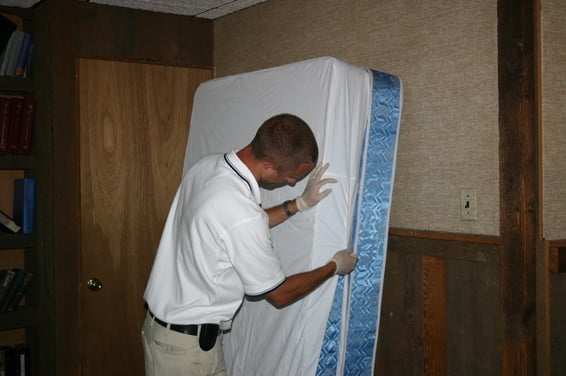
Encasements are installed to preserve the client’s existing mattress and box spring
Targeted Steam Treatment
After visually inspecting the area, technicians can identify locations showing signs of bed bug activity. Steam can then be applied to appropriate areas to kill bed bugs and eggs through direct exposure to high temperatures.
Bed Bug Monitors
Monitors can be placed beneath bed legs and in other strategic locations to help detect bed bug activity. This is particularly important because an infestation can become difficult to detect after treatment. Even when the number of bed bugs has been greatly reduced, monitoring can help technicians determine whether activity remains.
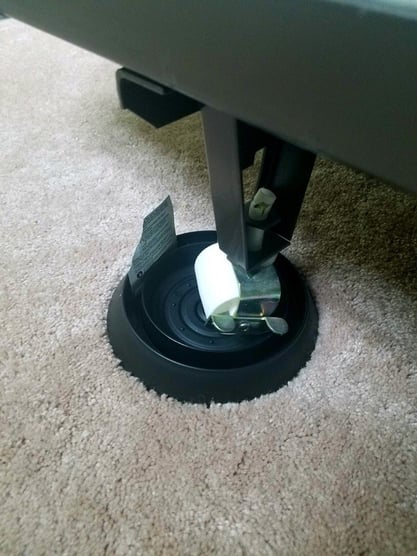
Monitors are placed to track possible future bed bug infestations
Targeted Product Applications
Professional technicians may apply appropriately selected insecticide dusts and liquid products to areas where bed bugs are likely to hide, including cracks, crevices, baseboards, and other locations identified during the inspection. These applications can provide residual protection that heat alone does not provide.
Want to learn more about No-Prep bed bug treatment? Click here for more information.
Is No-Prep More Effective Than Heat Treatment?
Every bed bug infestation is different, so there is no single treatment method that works best in every situation. Treatment should be based on the structure, the extent of the infestation, and what technicians find during their inspection. Cooper's No-Prep approach combines several techniques, including mechanical treatments, targeted products, encasements, and monitoring.
Heat can offer fast results, but it does not provide residual protection and can be affected by cooler areas within a structure. Using multiple treatment methods allows technicians to address the existing infestation while monitoring for any remaining or newly introduced bed bugs. A careful inspection is essential for developing the most appropriate treatment plan.
Other Bed Bug Treatment Methods
Heat and No-Prep treatments are not the only options for controlling bed bugs. Other methods may be appropriate depending on the infestation and the items or areas being treated.
Here’s how some other bed bug treatment strategies compare:
Freezing
Extreme cold can kill bed bugs, but simply opening windows during winter is not a reliable treatment method. The temperature must become sufficiently cold and remain there for an appropriate period of time. Professional freezing treatments may be useful for certain individual items, but they are not necessarily practical for treating an entire home.
Chemical Treatment
Professional insecticide applications can target bed bugs in cracks, crevices, baseboards, furniture, and other hiding places. Chemical treatment generally takes longer than a properly performed heat treatment and may require multiple visits. However, appropriately selected products can provide residual protection that heat does not.
Cleaning
Cleaning and decluttering can be helpful as part of an overall bed bug management strategy, but cleaning alone will not eliminate an established infestation. Professional bed bug treatment should address the insects themselves as well as the locations where they are hiding.
DIY and Natural Products
Products marketed as natural or chemical-free solutions, including essential oils, cedar oil, ultrasonic devices, and various repellents, should not be considered reliable solutions for an established bed bug infestation.
Over-the-counter sprays may kill bed bugs on contact, but they cannot easily reach pests hiding in cracks, furniture, wall voids, and other concealed areas. Using multiple DIY products may also cause bed bugs to relocate.
What Should You Look for in a Bed Bug Treatment Company?
Choosing the right pest control company is important when dealing with bed bugs. Treatment quality can vary, so price should not be the only factor you consider.
Here are some important things to look for when choosing a bed bug treatment company:
Experience and Expertise
Bed bug control requires specialized knowledge. Look for a company with trained technicians, established treatment protocols, and experience identifying and treating bed bug infestations.
A Comprehensive Treatment Plan
Be cautious of any treatment plan that presents one technique as a guaranteed solution for every infestation. A good treatment plan should account for the condition of the home, the location of bed bug activity, the extent of the infestation, and the possibility of follow-up treatment.
Monitoring and Follow-Up
Because bed bugs can be difficult to detect after treatment, monitoring can be an important part of successful long-term control. Ask whether the company provides follow-up inspections or monitoring and what happens if bed bug activity is detected after the initial service.
Guarantees
A guarantee can provide additional peace of mind, but it's important to understand exactly what it covers and how long it lasts. Ask about the length of the guarantee, follow-up procedures, and what is expected of you if bed bugs are discovered again.
Pricing
Price should not be the only factor you consider. A very low-cost treatment may not include the same level of inspection, monitoring, equipment, technician training, or follow-up as a comprehensive professional service. When comparing estimates, make sure you understand exactly what is included.
What Should I Do If I Find Bed Bugs?
If you discover bed bugs, don't panic or immediately throw away your mattress or furniture. Avoid moving infested belongings to other rooms, as this can cause bed bugs to spread and make the infestation more difficult to treat.
It's also best to avoid applying large amounts of store-bought pesticides or attempting to treat the entire home yourself. Instead, leave the affected area as undisturbed as possible and contact a qualified bed bug control professional for an inspection and treatment recommendations.
Frequently Asked Questions About Bed Bug Heat Treatments
Have questions about bed bug heat treatments? We've answered some of the most common questions about heat treatment, how it works, its limitations, and how Cooper's No-Prep approach compares.
Have additional questions or need professional bed bug control? Contact Cooper Pest Solutions today.
Will heat treatment kill bed bugs and their eggs?
Yes. When a professional heat treatment reaches and maintains lethal temperatures throughout the infested area, it can kill bed bugs and their eggs. Proper temperature monitoring is essential.
How long does a bed bug heat treatment take?
Treatment times vary depending on the size and characteristics of the structure, the extent of the infestation, and other conditions. A professional heat treatment may take several hours.
Does heat treatment prevent bed bugs from coming back?
No. Heat can eliminate an existing infestation, but it does not provide residual protection. Bed bugs can be reintroduced into a home after treatment.
Can I treat bed bugs with heat myself?
DIY heat treatment is risky and difficult to perform correctly. Household heaters and improvised methods may not distribute heat evenly or provide reliable temperature control. Professional equipment and monitoring are recommended.
Is No-Prep treatment really no prep?
Cooper's No-Prep approach is designed to minimize the extensive preparation often associated with traditional bed bug treatments. Our technicians inspect affected areas and determine the appropriate treatment steps, rather than requiring homeowners to extensively rearrange the room beforehand.
What should I do if I find one bed bug?
Don't assume that one bed bug means you have a large infestation, but don't ignore it either. Avoid moving furniture or belongings and contact a pest professional for identification and an inspection.
Professional Bed Bug Treatment From Cooper Pest Solutions
Bed bugs can be difficult to eliminate, and relying on a single treatment method or attempting to handle an infestation on your own can make the problem more challenging. We take a comprehensive approach to bed bug control throughout New Jersey and Pennsylvania.
At Cooper Pest Solutions, our No-Prep approach combines thorough inspection, steaming, encasements, monitoring, and targeted product applications to address bed bug activity and help eliminate the infestation.
Think you may have bed bugs? Contact Cooper Pest Solutions for a free, no-obligation estimate and learn more about your treatment options.
If you live in an apartment with bed bugs, contact your landlord or property manager first. They may already have a pest control company under contract, or they can contact us directly if they do not. For more information about bed bugs in apartments, please click here.
*Conditions apply based on bed bug activity and we reserve the right to charge $125 for inspections where bed bugs are not clearly present. May not be applicable for apartments depending on apartment type and ownership.