

History of Bed Bugs
Bed Bugs Origin
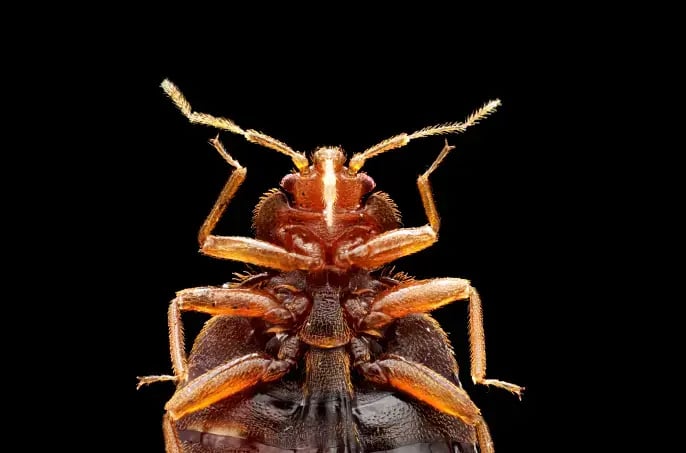
Bed bugs have been unwelcome companions to humans since ancient times. Archaeological evidence suggests that bed bugs originated in the Middle East, living in caves alongside early humans and bats. As human civilization developed and people began living in permanent dwellings, bed bugs adapted right along with us, making the transition from cave-dwelling parasites to household pests.
Historical records from ancient Egypt, Greece, and Rome all mention bed bugs, proving these insects have been a nuisance for millennia. Over time, bed bugs spread across Europe and Asia through trade routes and human migration, eventually making their way to new continents.
When Did Bed Bugs Come to America?
Historians believe bed bugs arrived in North America with early European colonists in the 1600s. As settlers established communities along the Eastern Seaboard (including what would become New Jersey and Pennsylvania), bed bugs hitched a ride in their belongings, bedding, and ships.
By the early 20th century, bed bugs were a common household pest throughout the United States. Nearly every American home had experienced bed bugs at one point or another, and dealing with these pests was simply considered a part of daily life.
The Near-Eradication of Bed Bugs in America
Bed bugs remained a widespread problem in the United States through the World War II era. However, around this time, they were virtually eradicated from the country thanks to the wide-scale use of powerful pesticides like DDT and Malathion. These chemicals were highly effective at killing bed bugs on contact and provided long-lasting residual protection.
For several decades following WWII, bed bugs became so rare in the United States that many Americans grew up never encountering them (or even believing they were real). The phrase "don't let the bed bugs bite" became nothing more than a quaint bedtime saying rather than a genuine warning.
When Did Bed Bugs Come Back?
The resurgence began in the late 1990s. Bed bugs started re-emerging as a significant pest problem not just in the United States, but also in Canada, Australia, the UK, and numerous other countries around the world.
Their secretive behavior, combined with a widespread lack of public awareness, enabled bed bugs to move efficiently from one dwelling to another. This facilitated their rapid dispersal throughout the country, catching homeowners, renters, and even pest control professionals off guard.
Why Did Bed Bugs Return?
While no one can sa ay with absolute certainty what caused the resurgence of bed bugs in the United States, several factors likely contributed to the re-emergence of this challenging pest:
- Increased International Travel: Due to the increased prevalence of bed bugs globally, the frequency of encounters during travel has also risen significantly. This has resulted in a greater number of bed bug introductions into the U.S. than in previous years.
- Pesticide Resistance: Unlike their predecessors who were susceptible to DDT and similar chemicals, today's bed bugs have evolved to survive exposure to numerous insecticides. This resistance has made elimination more challenging and has allowed populations to thrive even in treated environments.
- Lack of Public Awareness: For decades, many people simply didn't believe bed bugs truly existed anymore. As a result, homeowners thought nothing of picking up discarded furniture from curbs or accepting secondhand mattresses and unknowingly bringing bed bug-infested items into their homes.
- Changes in Pest Management Practices: In the past, hotel guest rooms were typically treated on a regular basis with residual pesticides. As a result, bed bugs introduced during travel were likely to contact pesticides as they left luggage and traveled to beds.
Bed Bugs in New Jersey and Pennsylvania
New Jersey and Pennsylvania have been significantly impacted by the bed bug resurgence. Major metropolitan areas like Newark, Jersey City, Philadelphia, and their surrounding suburbs have seen substantial increases in bed bug activity over the past two decades.
The region's dense population, high volume of travelers, and abundance of multi-unit housing have all contributed to the spread of bed bugs throughout both states.
Professional Bed Bug Control: Your Best Defense
Given the resilience and adaptability that bed bugs have demonstrated throughout their long history, professional pest control is often the most effective solution for eliminating infestations. Modern bed bug treatments have evolved significantly, utilizing integrated pest management (IPM) approaches that combine multiple strategies for maximum effectiveness.
If you suspect you have bed bugs in your [city] home, don’t wait for the infestation to grow. Early detection and professional treatment are key to quickly resolving the problem and preventing bed bugs from spreading to other areas of your home or neighboring units.
Contact our experienced pest control team today for a thorough inspection and customized treatment plan.