

How to Locate and Get Rid of Mosquito Larvae Quickly
A mosquito problem can quickly make spending time outdoors miserable. Cooper Pest Solutions has the experience needed to manage these pests effectively. Early detection of mosquito larvae plays a major role in preventing serious infestations. Removing breeding areas as soon as larvae appear limits mosquito growth. This strategy is especially beneficial for homeowners in New Jersey and Pennsylvania, where warmer temperatures allow mosquitoes to thrive.
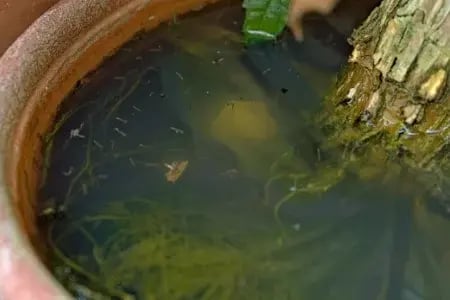
Effective Strategies for Eliminating Mosquito Larvae
Mosquitoes can make outdoor areas unpleasant with their relentless buzzing and painful bites. What often goes unnoticed is that biting plays a role in reproduction, leading to more mosquitoes in your yard. Each bite adds to the problem.
Effective mosquito control starts before mosquitoes mature. The strategies below target eggs and larvae to prevent them from growing into a full infestation:
- Oil: Applying a thin film of olive or vegetable oil to the water’s surface can kill mosquito eggs and larvae by cutting off their air supply. Avoid using oil in ponds or birdbaths, as it can harm fish, birds, and other wildlife.
- Vinegar: In small water sources such as birdbaths, add apple cider vinegar at roughly 15% of the total water volume. This may interfere with larval development, although it is less effective against mosquito eggs.
- Dish Soap or Shampoo: Mix a small amount of liquid dish soap or shampoo into a gallon of standing water and stir lightly. This breaks the surface tension of the water, causing mosquito eggs and larvae to suffocate.
Mosquito larvae can be controlled with simple household solutions. Addressing the problem right away helps keep it from escalating.
Common Mosquito Larvae Breeding Areas
Standing water provides the ideal environment for mosquito larvae to grow, even in minimal amounts. Some of the most common breeding areas are:
- Birdbaths
- Puddles
- Ditches
- Marshes
- Clogged Gutters
- Flower Pots
- Stagnant Ponds
Minimal standing water is enough for mosquito larvae to develop. Clearing out these breeding sites helps keep mosquitoes under control.
Why Mosquitoes Thrive in Standing Water for Egg Laying
Mosquito larvae depend on water to survive and reproduce. Female mosquitoes lay their eggs in still water, where conditions allow for fast development. These environments support the most vulnerable stages of growth.
Once hatched, the larvae continue to live in the water. They feed on organic debris and develop through several phases before reaching the pupal stage. Adult mosquitoes then emerge and begin reproducing.
Eliminating stagnant water is one of the most effective mosquito control strategies. Removing breeding sites disrupts the mosquito life cycle and helps prevent infestations. Early prevention can greatly lower mosquito populations near your home.
Spotting Mosquito Larvae: Key Features to Know
The small, wriggling creatures known as mosquito larvae move side to side, earning them the nickname “wigglers.” They look like tiny worms and can appear in various shades of beige and brown. They need water to survive and can live in very small amounts, which can make them hard to notice.
It’s easy to mistake them for tadpoles. Tadpoles are usually larger and have smooth tails, while mosquito larvae have segmented bodies and remain near the water surface to breathe.
Recognizing these features helps distinguish mosquito larvae from other aquatic creatures. Correct identification is an important first step in controlling mosquitoes.