

Most Common Cockroaches in Pennsylvania and New Jersey
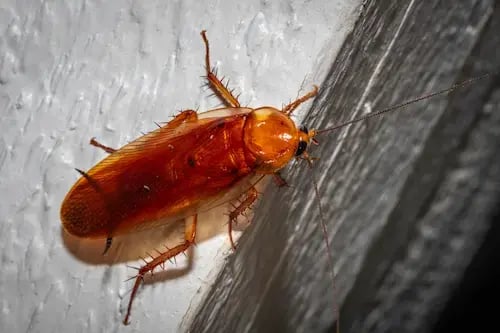
Discovering a cockroach in your home can instantly trigger a wave of anxiety. That racing heartbeat is a normal biological response. Before panic sets in, take a deep breath. Cockroaches are highly unpleasant and unsanitary, but you can solve the problem. The first step is accurately identifying the species you’re dealing with.
Different cockroach species possess entirely distinct biological traits, which means that a strategy that works on one may not work on another. To help you create a treatment plan for your infestation, let’s look at the most common types of cockroaches in Pennsylvania and New Jersey.
American Cockroach
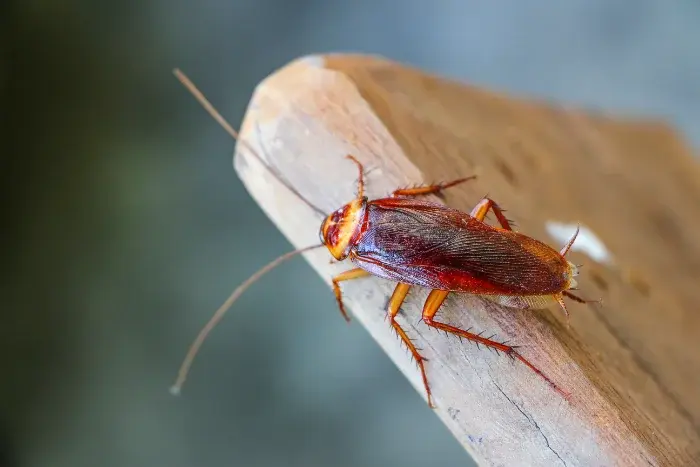
These roaches are sometimes referred to as a "water bug," but they’re technically different from true water bugs. The American cockroach is the largest home-invading insect in our region. From an ecological standpoint, they gravitate toward warm, dark, high-humidity microclimates.
While they naturally colonize outdoor municipal sewers, commercial utility tunnels, and deep mulch beds, heavy Mid-Atlantic rainstorms or sudden summer heatwaves will drive them indoors into basements, kitchens, and bathrooms in search of a stable environment.
- Size: Mature adults average 1.5” to 2” in length.
- Color: A distinct reddish-brown body with a pale yellow, figure-8 outline visible on the shield directly behind the head.
- Flight: Highly capable fliers; both sexes possess fully functional wings and will take to the air when startled or during hot, humid nights.
- Habitat: Unfinished basements, crawl spaces, floor drains, and perimeter utility access points.
German Cockroach
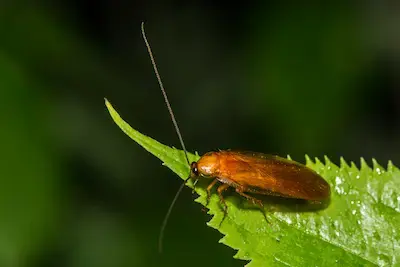
The German cockroach is one of the most disruptive, invasive, and stress-inducing pests found in Pennsylvania and NJ. Unlike hardier outdoor species, these insects are strict indoor pests — meaning they lack the biological adaptations to survive outdoors and rely entirely on human structures to survive. They typically infiltrate homes by hitchhiking inside cardboard shipping boxes, grocery bags, or secondhand appliances, and their population growth is incredibly rapid.
- Size: Small and streamlined, typically measuring ½” to ⅝”.
- Color: Light brown to tan, distinctly marked by two dark, parallel longitudinal stripes running down the plate behind their head.
- Flight: Though equipped with wings, they are entirely flightless; they move strictly by running at high velocities.
- Habitat: Exclusively indoors, concentrated heavily in tight crevices near heat and moisture (e.g. behind refrigerators, beneath sinks, and inside cabinet hinges).
Oriental Cockroach
Frequently misidentified as "black beetles," Oriental cockroaches are slow-moving, ground-dwelling pests. Their biology leaves them highly susceptible to dehydration, making them completely dependent on cold, high-moisture environments. Because their legs lack the specialized structures needed to climb smooth vertical walls, you will almost never find them on upper shelves or ceilings; they remain strictly at ground level.
- Size: Roughly 1” long with a notably wide, robust body.
- Color: A very dark, oily, or greasy-looking glossy black.
- Flight: Functionally flightless; males possess short wings that leave the back half of the abdomen exposed, while females have tiny, nonfunctional wing pads.
- Habitat: Subterranean or ground-level damp microclimates, including sump pump pits, dark crawl spaces, unexcavated basements, and beneath concrete slabs.
Brown-Banded Cockroach
As one of the smallest home-invading species in the Northeast, the brown-banded cockroach, in sharp contrast to the Oriental or American roach, has evolved to thrive in environments with very low moisture levels. Because they prefer warm, dry ambient temperatures, a localized infestation will readily scatter across an entire house — nestling into bedrooms and living rooms rather than remaining restricted to plumbing areas.
- Size: Quite small, rarely exceeding ½” in length.
- Color: Light brown, characterized by two pale, horizontal bands running across their wings and abdomen.
- Flight: Adult males will fly short distances if disturbed; females have shorter wings and remain grounded.
- Habitat: High up on walls, behind hanging picture frames, inside upper light fixtures, and tucked deep inside warm electronic appliances like computer towers or television housings.
What Are the Worst Cockroaches to Have in Your House?
German cockroaches are the most severe species to discover inside a home. Why? One big reason why these small roaches are so devastating is that they’re by far the fastest reproducing species. Infestations can become severe in a matter of weeks. Compounding the anxiety they cause, they have developed a strong biological resistance to over-the-counter chemical sprays, which makes DIY treatment challenging.
German cockroaches can compress their bodies into tiny structural cracks, and once inside, act as mechanical vectors for pathogens by tracking bacteria like Salmonella onto kitchen counters.
If your observations point toward a German roach presence, the best step to take is contacting our professional cockroach exterminators immediately.
More Cockroaches You Might Find in NJ and PA
While the species detailed above represent the primary residential nuisances, the diverse urban and forest ecosystems of Pennsylvania and New Jersey are home to several other native or accidentally imported roaches.
- Spotted Mediterranean Cockroach (Ectobius pallidus)
- Surinam Cockroach (Pycnoscelus surinamensis)
- Green Cuban Cockroach (Panchlora nivea)
Learn more about cockroaches in Pennsylvania and New Jersey.
Call Us for Cockroach Control in New Jersey and Pennsylvania
Identifying exactly which cockroach species is in your house is the most critical step toward reclaiming your living space. Whether you are dealing with a seasonal influx of native Pennsylvania wood roaches or a rapidly accelerating indoor colony of German cockroaches, treating the issue with targeted, effective treatment from an experienced cockroach control company is vital to protecting your family's baseline health.
Think you might have a roach infestation? Don’t let the anxiety build while the insects multiply. Contact Cooper Pest Solutions today for a meticulous, professional inspection and a highly targeted elimination protocol.
< Back to Cockroach Control